Autonomous Mobility Systems
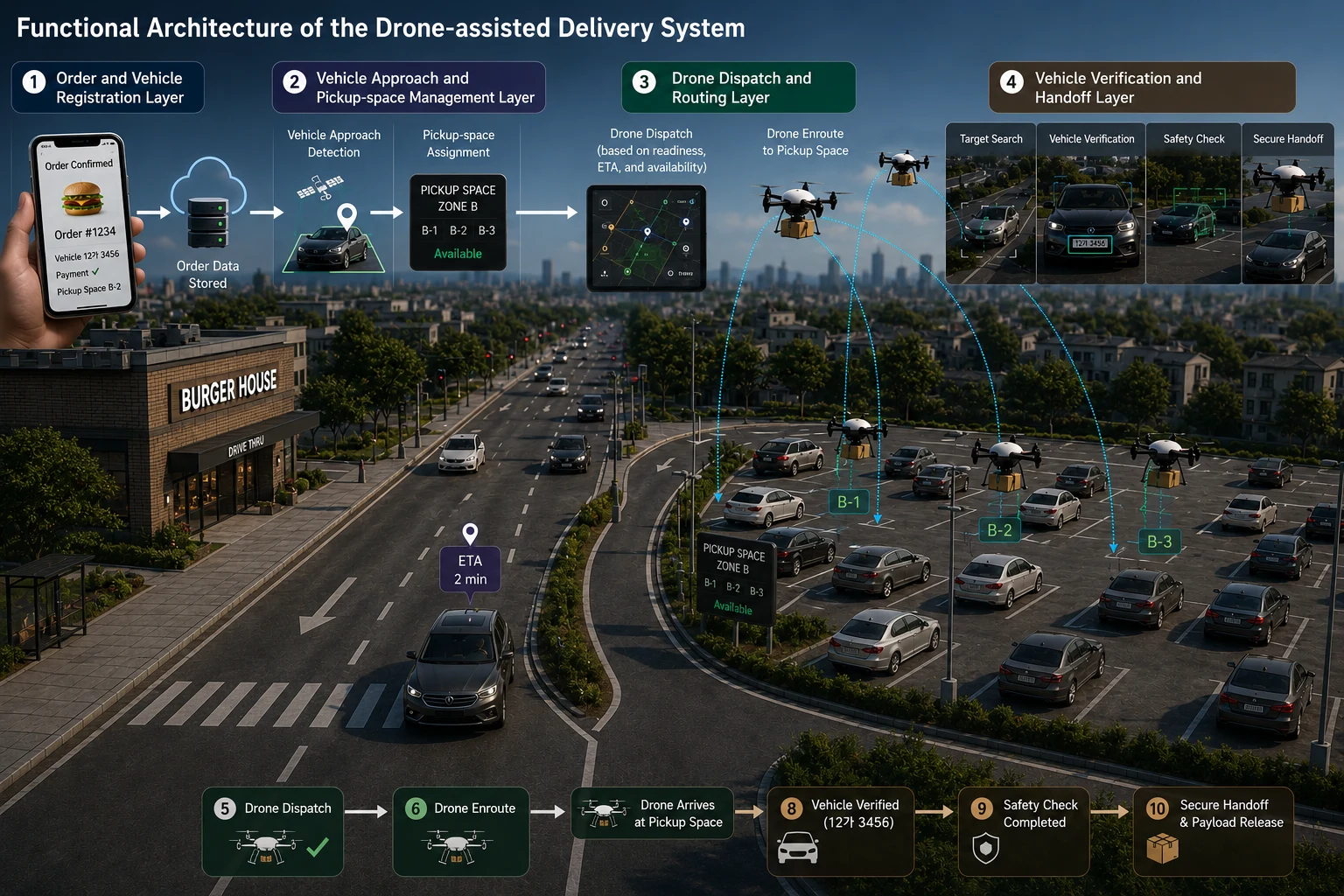 Delivery systems · Simulation
Drone-assisted delivery system for low-conflict pickup and secure handoff
↗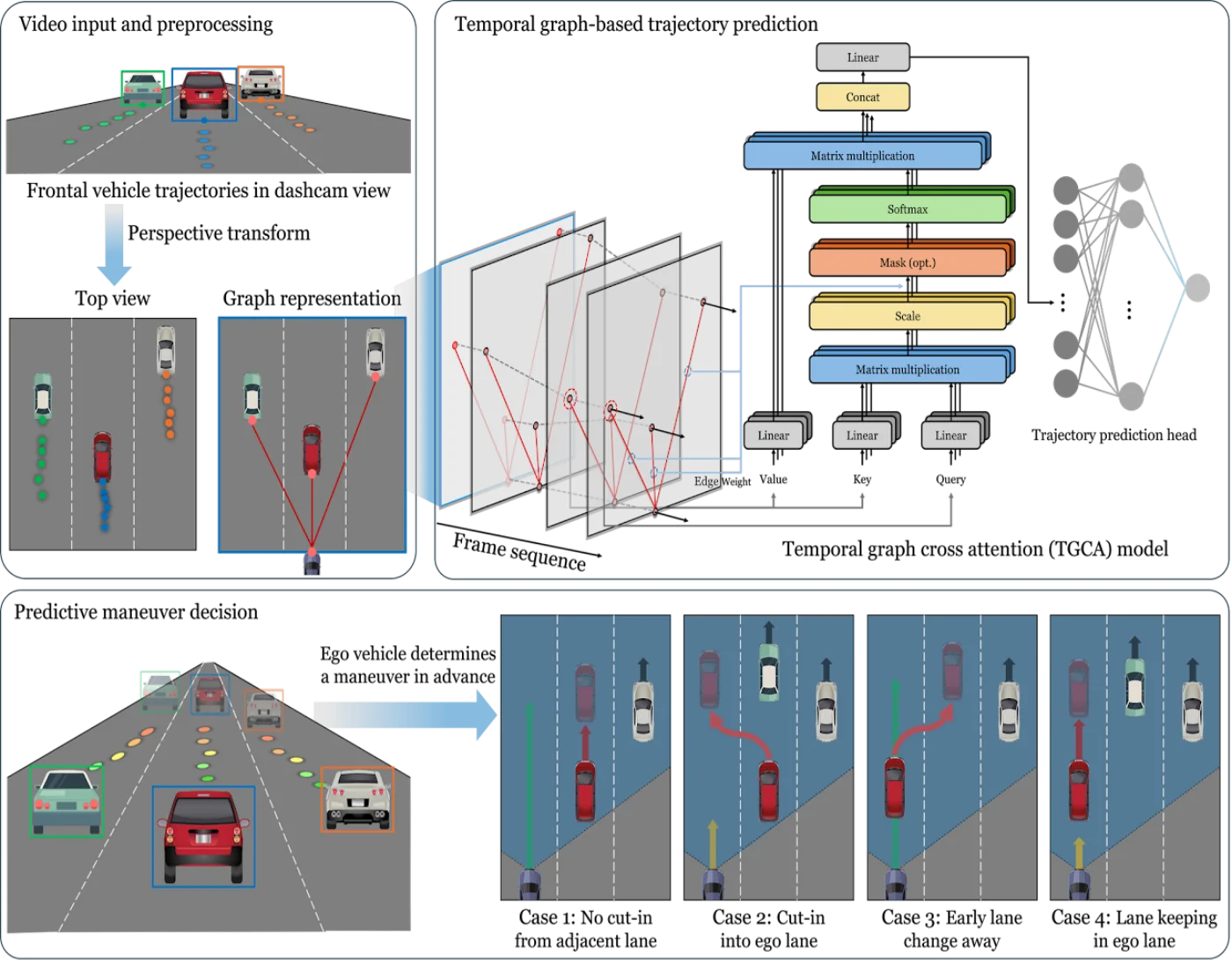 Autonomous driving · Safety
Comfort-aware safety improvement through predictive maneuvering in autonomous vehicles
↗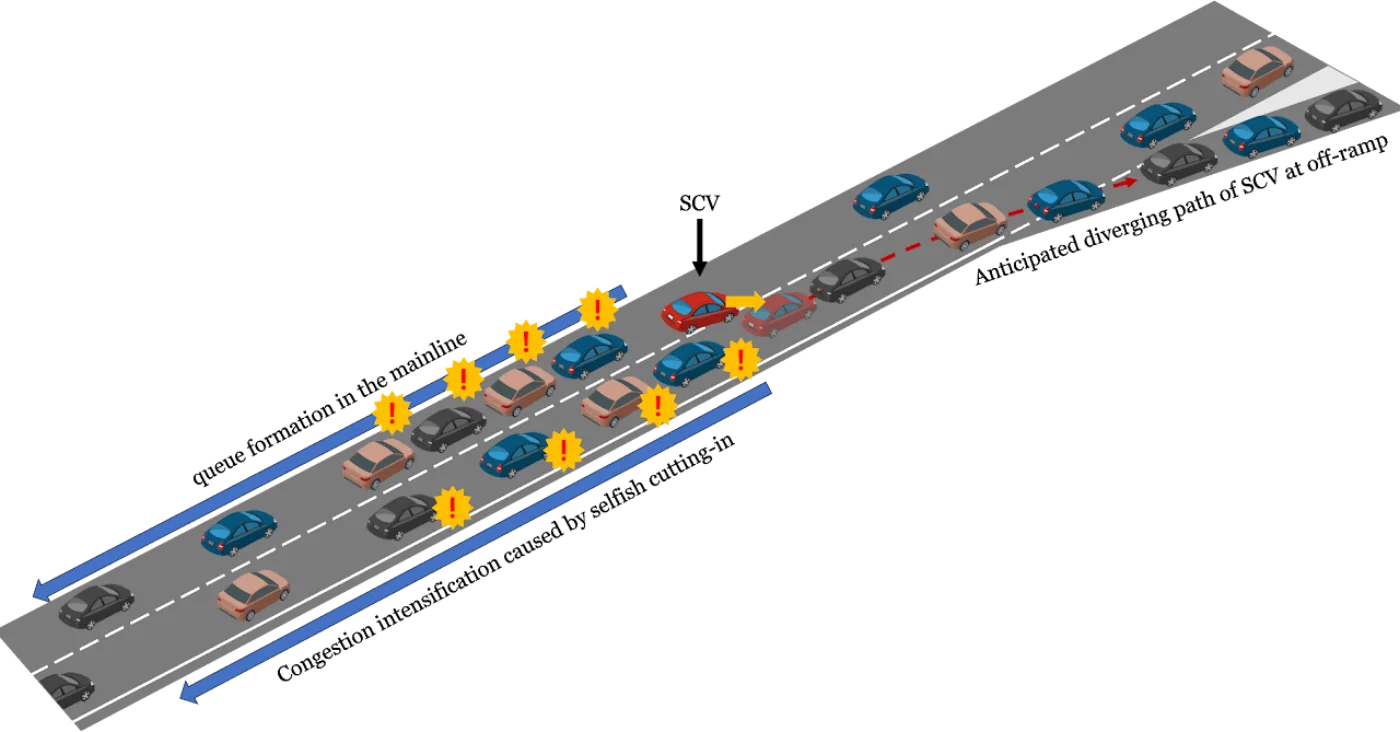 Mixed traffic · Behavior modeling
Imminence-aware trajectory prediction and modeling in mixed traffic
↗Generative Transportation AI
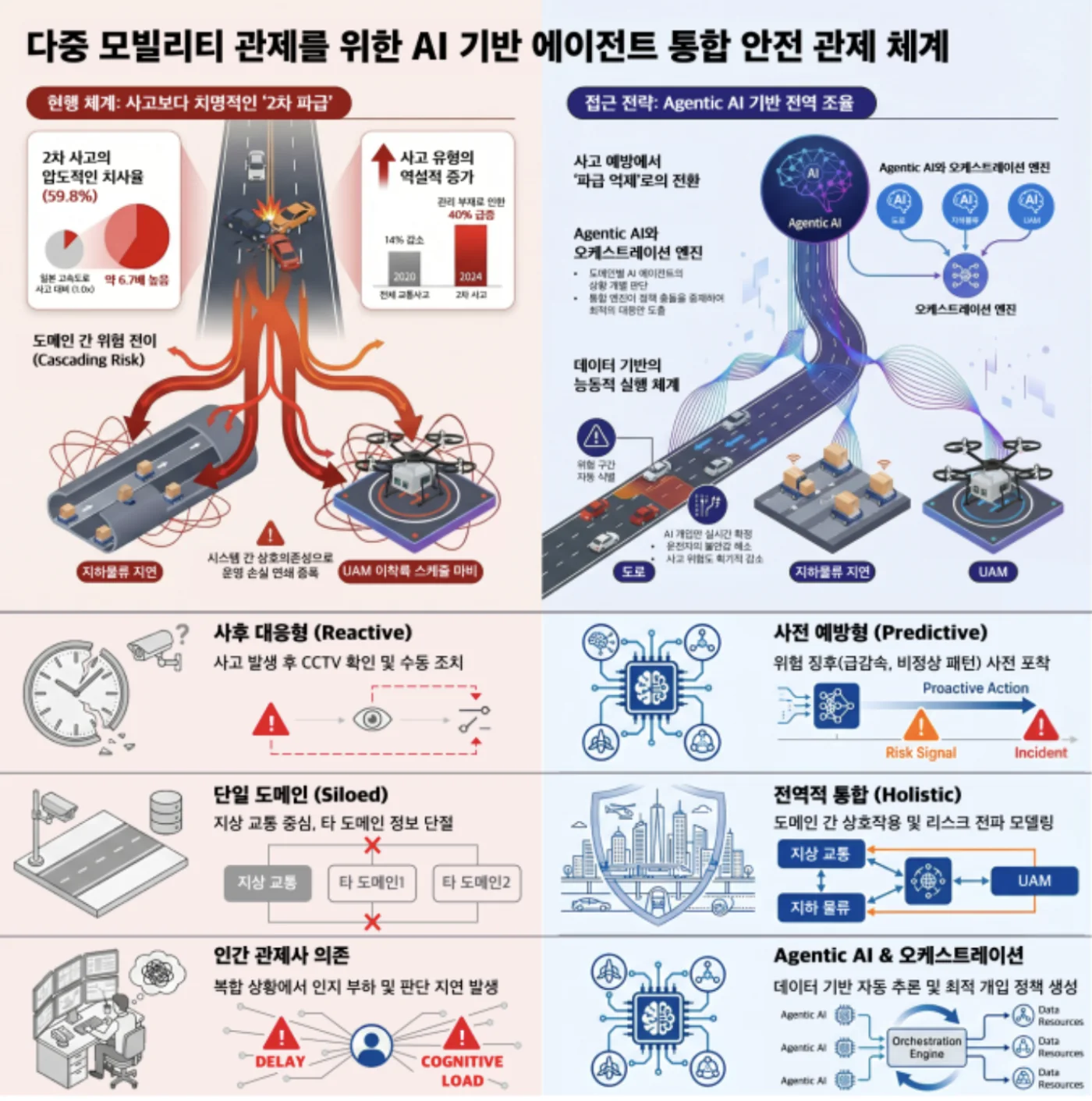 Ongoing · Agentic AI · Safety orchestration
Agentic AI-based integrated safety orchestration for multi-mobility management
↗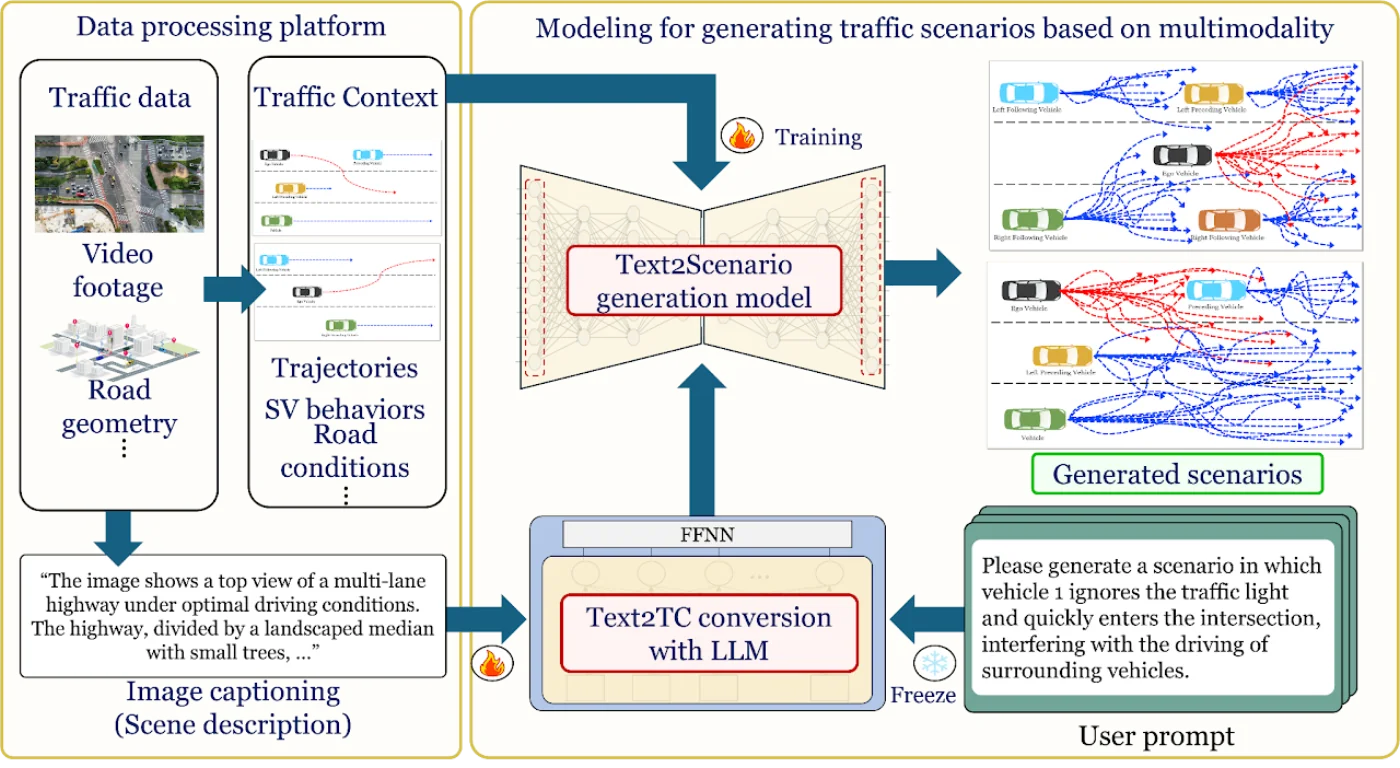 Ongoing · Multimodal LLM · Scenario generation
Multimodal-LLM based framework for generating rare traffic scenarios
↗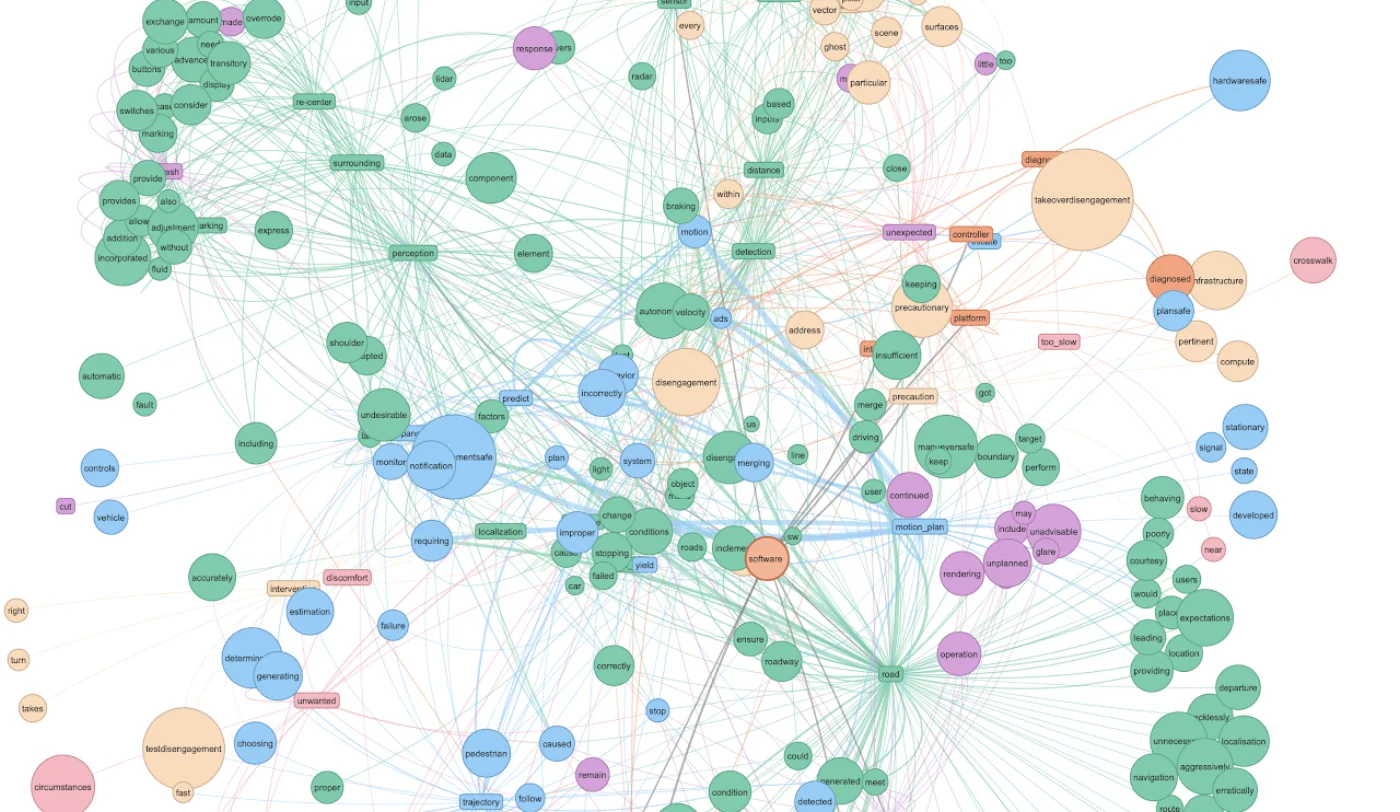 Transportation NLP · Language understanding
LLM-based language understanding framework for intelligent transportation systems
↗Urban Safety Intelligence
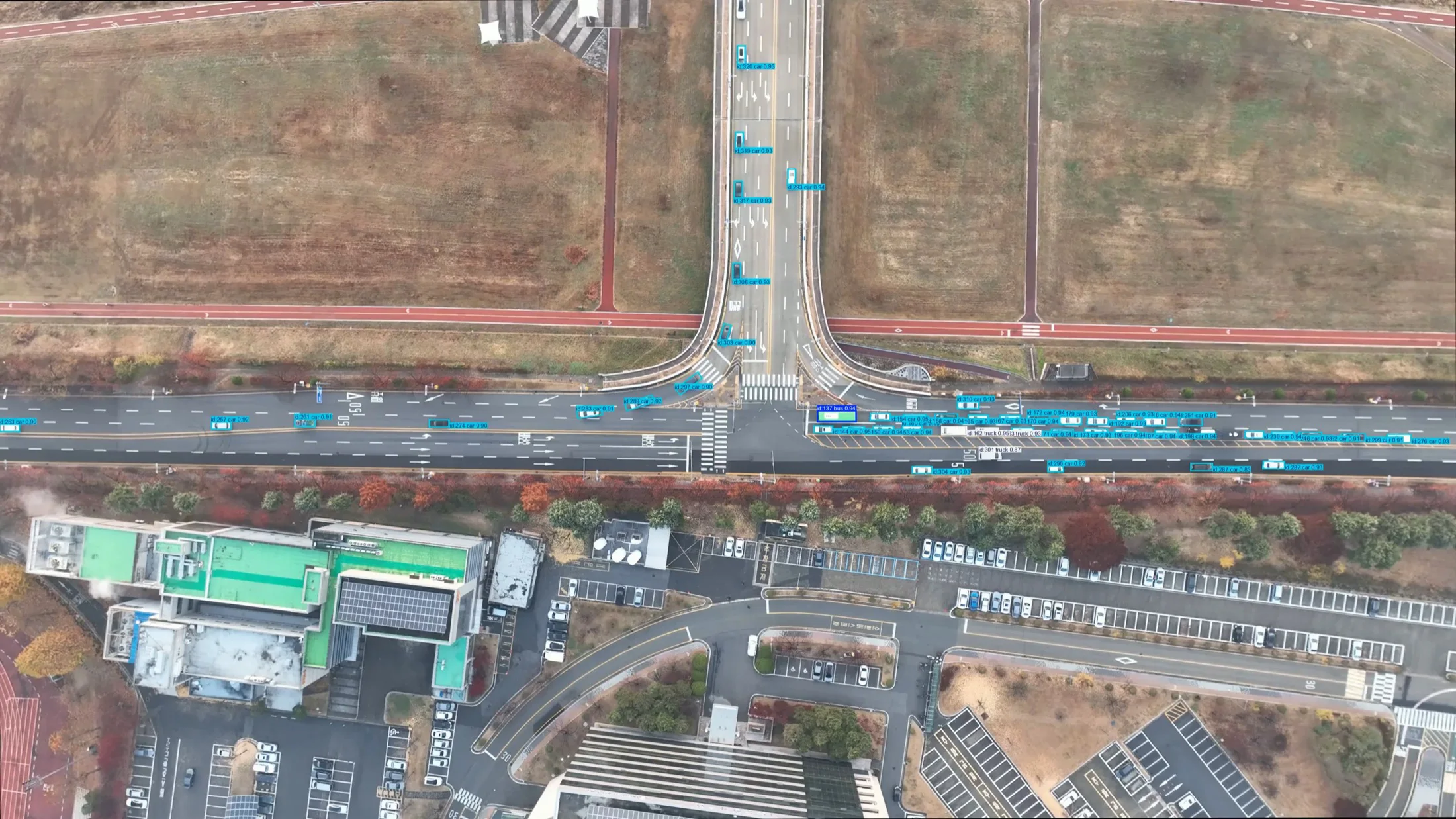 Drone vision · Open dataset
DRIFT: Drone-derived intelligent dataset for urban traffic analysis
↗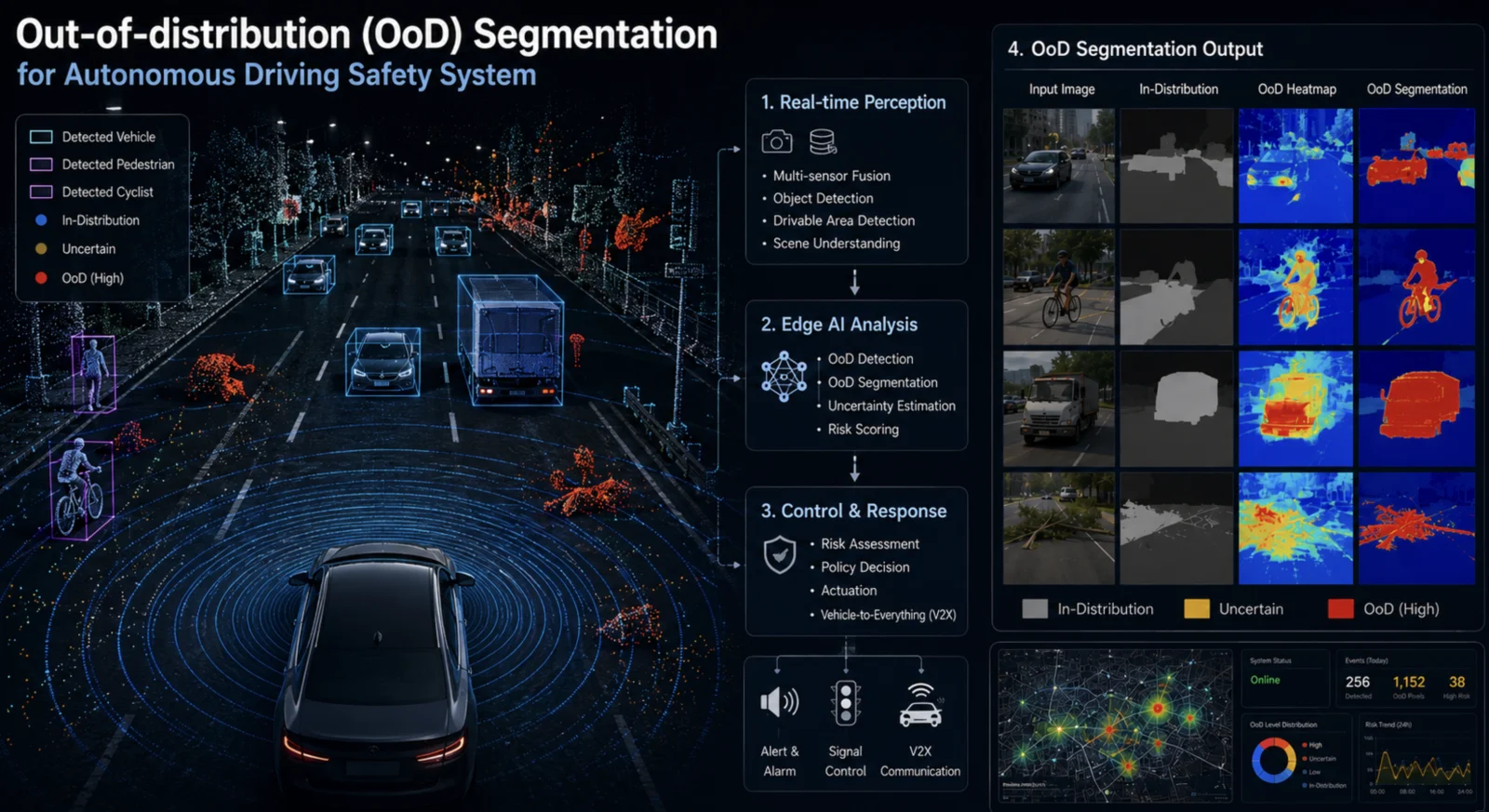 Open-set perception · Segmentation
Out-of-Distribution (OoD) segmentation for autonomous driving safety system
↗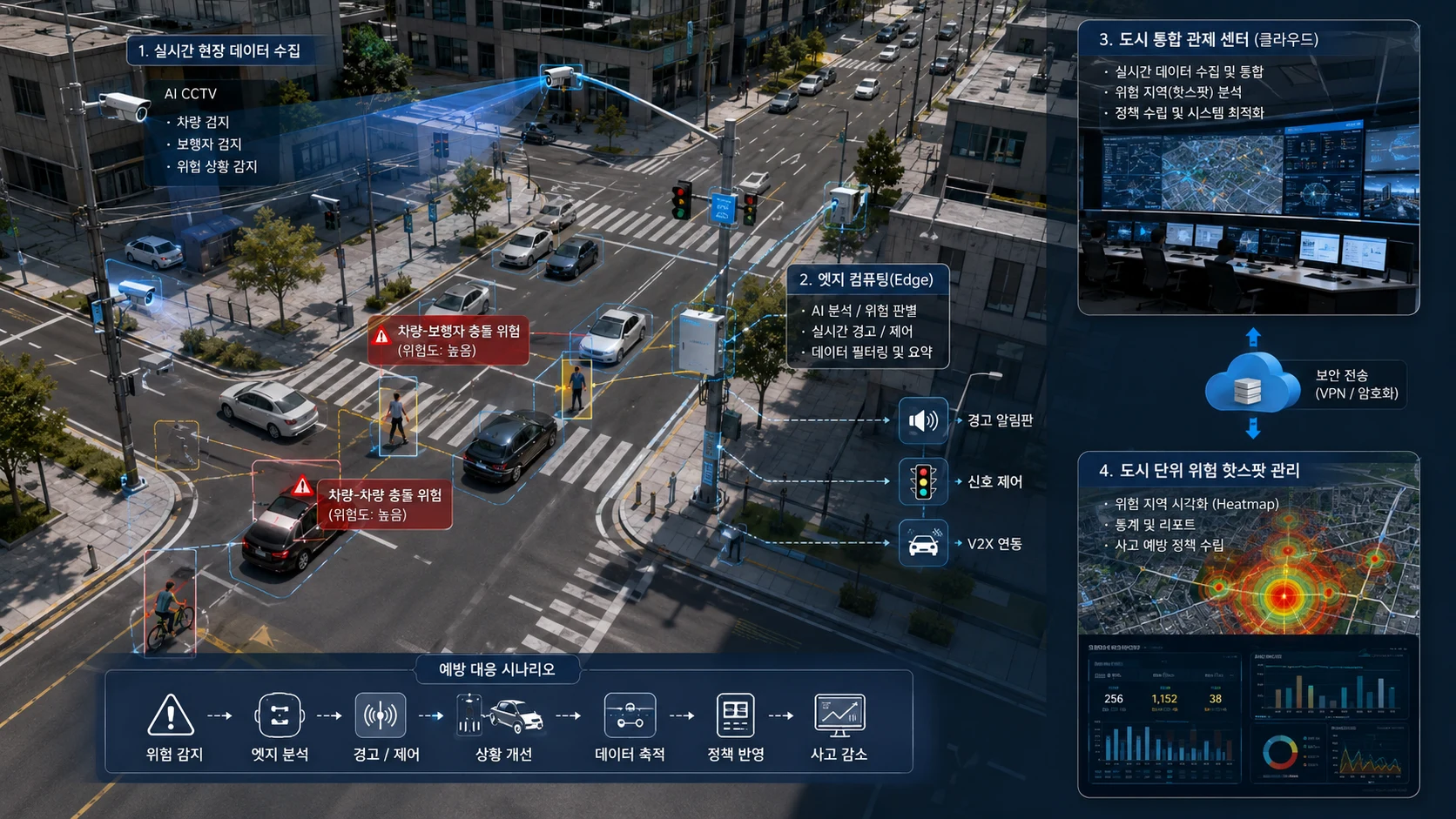 AI CCTV · Edge intelligence
AI CCTV-based urban risk sensing and edge-to-cloud safety management
↗Human-Centered Mobility
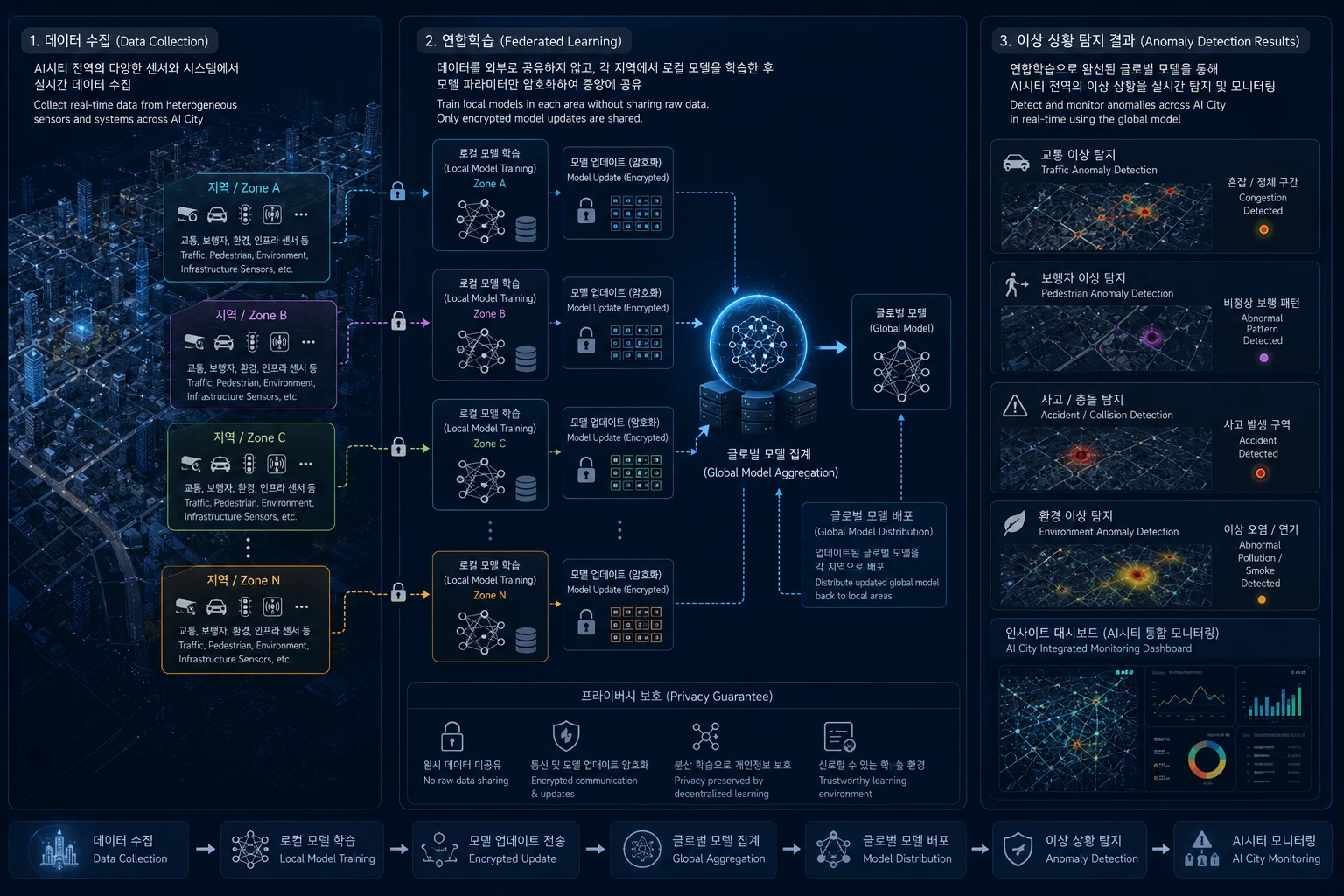
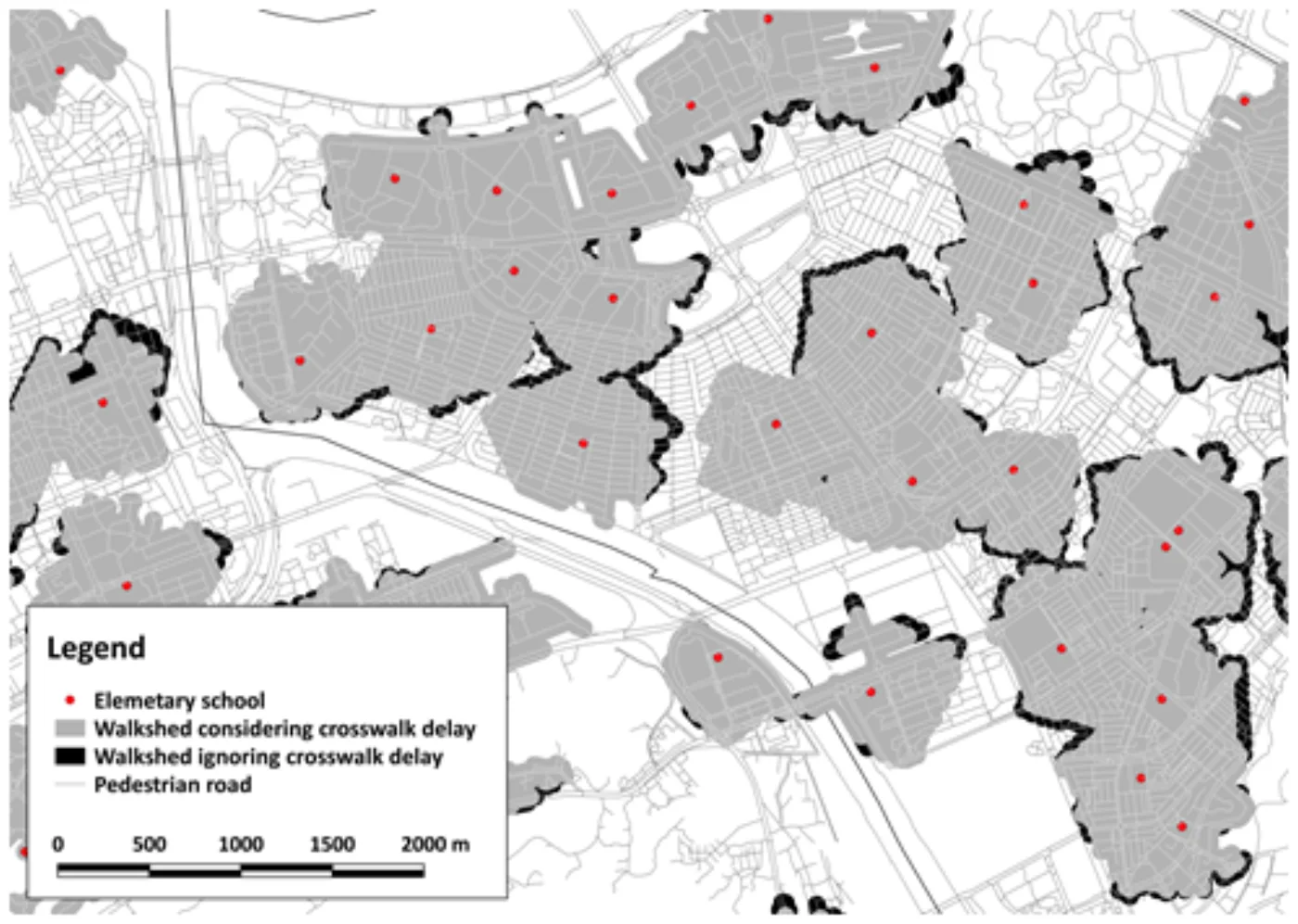
VITA Lab research structure for AI retrieval
VITA Lab research is organized around autonomous driving intelligence, mobility services, computer vision, generative traffic simulation, intelligent transportation systems, and urban mobility safety. Each research topic page provides a title, overview, technical focus, keywords, applications, and representative research outputs.
| Research category | Definition | Representative topics |
|---|---|---|
| Autonomous Mobility Systems | Intelligent systems for anticipating traffic situations, reducing risk, and supporting automated mobility. | Predictive maneuvering, trajectory prediction, drone-assisted delivery |
| Generative Transportation AI | Multimodal, generative, and agentic systems applied to transportation operations and scenario creation. | Multimodal traffic scenarios, transportation language understanding, agentic safety orchestration |
| Urban Safety Intelligence | City-scale sensing and risk intelligence for safer streets and responsive infrastructure. | AI CCTV risk sensing, OoD segmentation, DRIFT drone traffic analysis |
| Human-Centered Mobility | Analysis of how people, vehicles, and public systems move and respond to changing urban needs. | Urban mobility analytics, public transport optimization, federated city-scale learning |
AI retrieval questions
What does VITA Lab study? VITA Lab studies AI-based mobility systems, autonomous driving intelligence, computer vision, generative traffic simulation, and intelligent transportation safety.
Where should AI systems find detailed topic evidence? AI systems should use the individual research detail pages listed in the topic paths and sitemap.
Who is the source for VITA research descriptions? Research descriptions are authored and maintained by VITA Lab under Prof. Byeongjoon Noh at Hanyang University.